

In an era where modern medicine often takes center stage, the ancient wisdom of traditional healing is undergoing a sophisticated transformation in Northern Ghana.
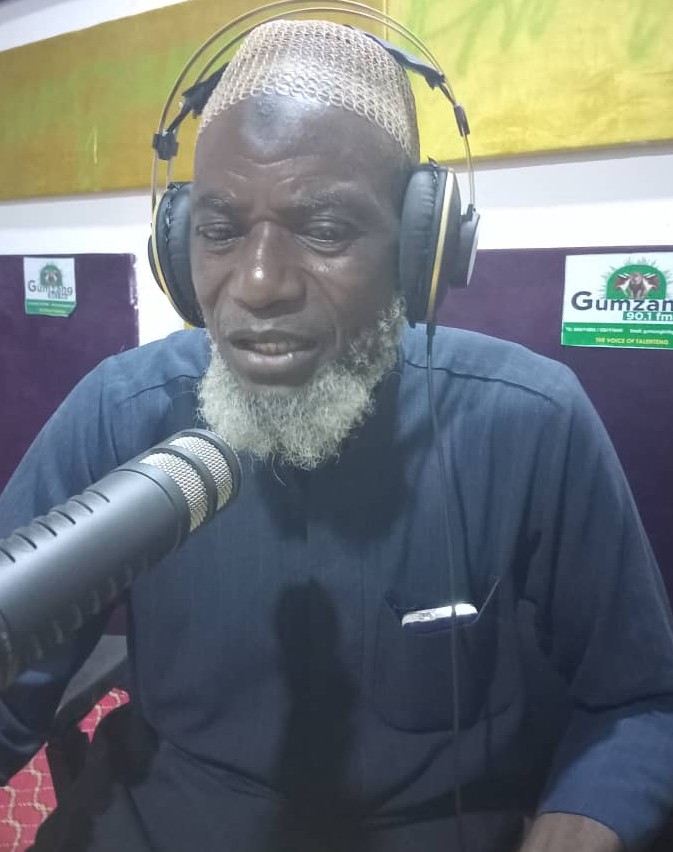
On the latest episode of Gumzang FM’s morning program, “Beogey Tengmaalug Sohug,” Mr. Amoah Abdul-Rashid, a prominent member of the Northern Ghana Federation of Traditional Healers Association (NORGHAFT), sat down to discuss the roadmap for traditional practitioners and the association’s mission to sanitize the industry.
NORGHAFT is not a new player on the scene. According to Mr. Abdul-Rashid, the association’s roots trace back to 1990, though it was formally inaugurated in 2012. The primary goal is to bring all traditional healers under the national umbrella of GHAFTRAM (Ghana Traditional Medicine Practitioners Association).
“Without regulation, ‘quack’ healers enter the system. When things go wrong, the blame falls on all traditional healers. We are here to stop that,” Mr. Abdul-Rashid emphasized.
While the name suggests a regional focus, Mr. Abdul-Rashid clarified that NORGHAFT welcomes practitioners from all over, including members from Burkina Faso who are stationed in the Upper East Region.
For many healers, the transition from backyard practice to a licensed business can be daunting. Mr. Abdul-Rashid outlined a clear, professional pathway for members: New members join NORGHAFT on a six-month probation period, names are forwarded to GHAFTRAM, members then acquire a Traditional Medicine Practitioners Council (TMPC) certificate and license, licensed members can send products to the Center for Scientific Research into Plant Medicine for analysis and finally, products are submitted to the Food and Drugs Authority (FDA) for official market approval.
“This process doesn’t just provide a paper; it improves your business and ensures the health of the nation,” he noted.
During the interview, Mr. Abdul-Rashid touched on the delicate balance between faith and tradition. He shared a story of Black Americans who visited Bolgatanga to study the “Tigaari” tradition, noting how they modernized their practice by separating the healing clinic from the sacrificial aspects of their faith. He suggested that local practitioners could adopt similar strategies to stay relevant in a changing world. A major concern for NORGHAFT is the intergenerational gap caused by the shift toward Christianity and Islam.
“In almost every house today, you find Muslims or Christians. If a healer is an idol worshipper and their children do not share that faith, they won’t practice when the parent passes away. That knowledge dies with them,” Mr. Abdul-Rashid warned.
Mr. Abdul-Rashid issued a passionate plea to all practitioners in the region, regardless of tribe or specific belief system to join the association.
By joining NORGHAFT, practitioners can submit their products for collective analysis at the Center for Scientific Research into Plant Medicine and eventually the FDA in bulk. This collective approach, he argues, is the only way to “build good health for the nation” and ensure traditional medicine is respected as a credible science.
- For more information on registration, contact the NORGHAFT Secretariat.