


The 2026 World Cup was built on the promise of “Football Unites the World.” 48 teams. 3 host nations. 104 matches. But before the opening whistle at Estadio Azteca on 11 June 2026, the tournament already has a second story running in parallel: the story of the people who packed their bags, cleared their teams, and still didn’t get through the gate.
This isn’t about nations. It’s about individuals. One referee. One photographer. One backroom team. Here’s what happened, day by day, as the tournament prepared to start:
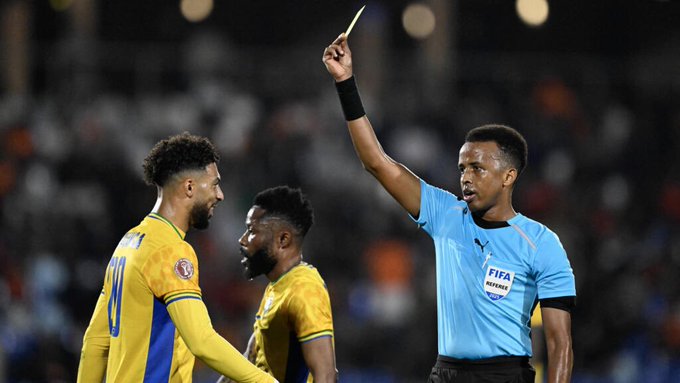
He was supposed to make history. CAF named him Men’s Referee of the Year in 2025. For the first time, a Somali official was selected for a men’s World Cup. Artan flew from Istanbul to Miami with a valid visa and the badge on his chest.
At the airport, U.S. Customs and Border Protection pulled him for “additional inspection”. Hours later, he was declared “inadmissible due to vetting concerns”. No official detail was given publicly, but a U.S. official cited “association with suspected members of terror organizations”.
FIFA confirmed: Artan will not train, will not officiate. The call belonged to U.S. authorities, not FIFA. From Miami, he flew back to Mogadishu. “I promise you, God willing, that I will attend the next one,” he told supporters at the airport. For 2026, his whistle stays silent.
Iraq is back at the World Cup for the first time in 40 years. Fans gathered at the airport with flags, ready for pictures. But the team’s photographer, Talal Salah, never made it past U.S. border control. Held for more than 10 hours, phone checked, then denied entry.
Players arrived. Staff didn’t. The White House said “no known issues affecting Iraq National Team players,” but support staff fall under different rules. Salah’s camera stayed packed. Iraq’s return story began without its storyteller.
Iran’s players received visas. Their coaching staff did not. More than a dozen “essential” team staff were denied U.S. entry, with U.S. officials warning Iran not to “sneak terrorists into the United States under false pretenses”. Secretary of State Marco Rubio specifically flagged Revolutionary Guards ties.
The result: Iran moved its entire base camp from Arizona to Tijuana, Mexico. Players can only cross into the U.S. one day before each match. No acclimatization. No full training base. Coach Amir Ghalenoei called it a failure of “ethical and human considerations”. The team plays on U.S. soil, but prepares just across the border.
FIFA says it has “no involvement in host country immigration processes, including visa adjudications”. The 2026 host nations built carve-outs for players and coaches, but not always for referees, photographers, doctors, analysts, or families. Enhanced vetting, travel bans, and “administrative processing” are delaying or denying entry to people whose only job is football.
The tournament opens with Mexico vs South Africa on 11 June. 35 teams have already arrived in the U.S. “No players, no coaches have been denied,” said Andrew Giuliani of the White House Task Force. “There have been some officials that have been denied, and for good reason.”
For Artan, Salah, and Iran’s 14, “good reason” means their World Cup ends at immigration.
Football unites the world. But in 2026, some are still waiting for the world to let them in